


This is a leak-free design discussion based on current gameplay needs. It does not claim to reveal or confirm any Season 11 Operator abilities, names, or release details.
A new Delta Force Operator should not exist just to add another portrait to the selection screen.
With more Operators joining the roster, the real question is no longer whether a new character can heal, scan, deploy smoke, or deal damage. The more important question is this:
Can this Operator create a new answer to a situation that currently has only a few predictable solutions?
That is what makes an Operator memorable—and what keeps the game’s tactical sandbox from becoming repetitive.
The Problem Is Not the Number of Operators
More Operators do not automatically mean more meaningful choices.
In many situations, players already know the default answer. A push has its familiar setup. A defense has its familiar setup. When a teammate goes down, the response is often predictable too: smoke the area, clear the angle, scan for threats, then attempt the revive.
Those tools are useful, but if every new support character simply brings another heal, another smoke option, or a stronger revive, the roster may grow while the game’s decision-making stays the same.
A strong new Operator should not replace the jobs that existing characters already perform well. Instead, they should challenge the fixed patterns that teams rely on.
The best Operator designs do not only improve numbers. They change positioning, timing, risk assessment, and team coordination.
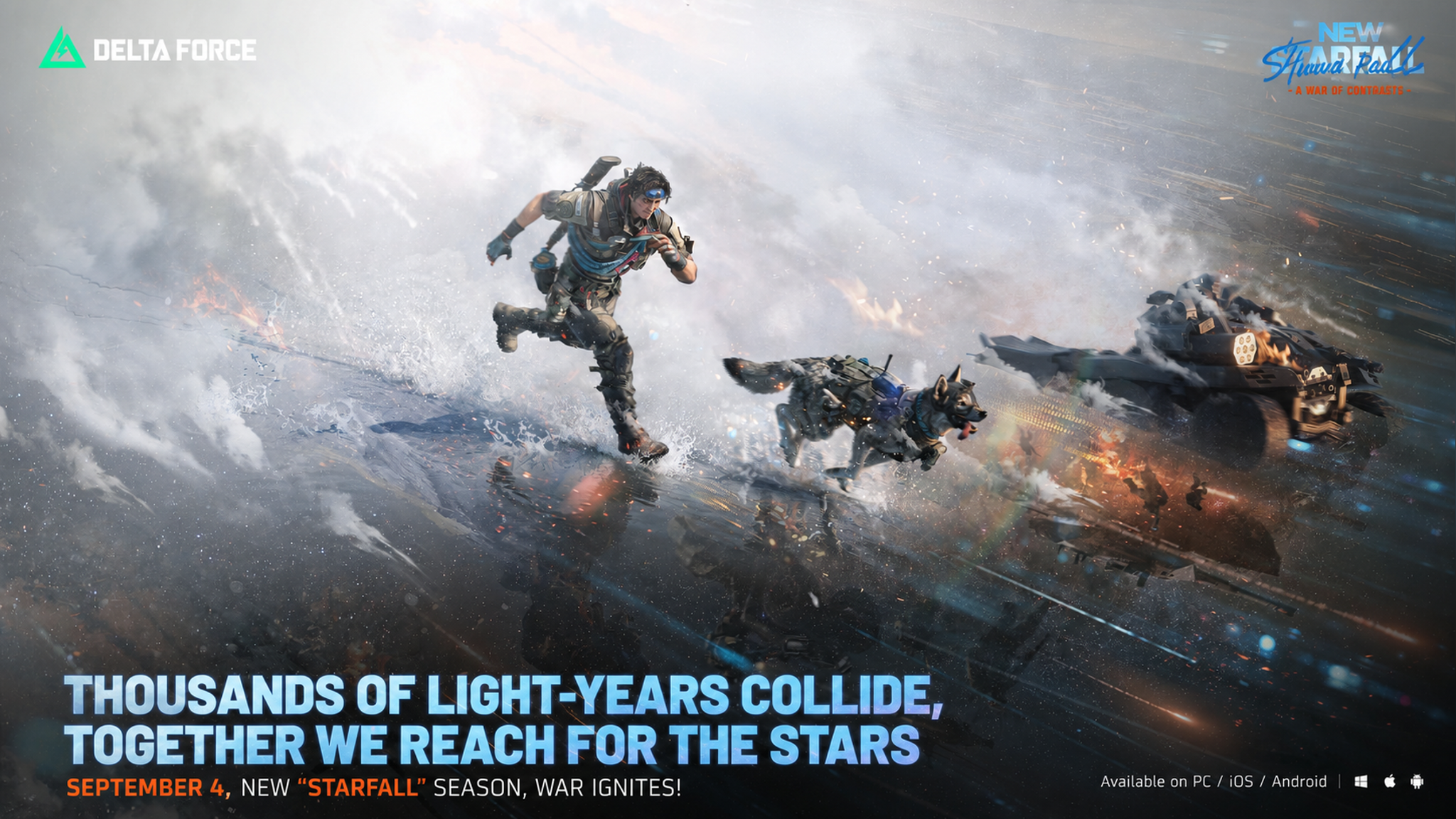
A Better Support Fantasy: Reposition the Downed Player
One of the most interesting directions for a future support-focused Operator would be a rescue tool built around moving a downed teammate, rather than simply restoring health from a safer distance.
Picture a common situation in Operations:
A teammate is down in an exposed corridor, at the edge of a doorway, or under the sightline of an enemy squad. The usual rescue attempt is dangerous. Your team may need smoke, information, suppressive fire, and a player willing to step into the same lethal position.
Now imagine a support Operator who can reach that teammate, attach a rescue line, and pull them back toward cover before starting the revive.
That changes more than revive speed.
It changes the location of the entire rescue attempt.
Instead of asking, “Can we safely revive this player here?” the team can ask, “Can we create a short opening to extract them to a safer position?” That is a much more tactical and interesting problem.
Why This Creates Better Decisions
A reposition-based rescue ability would not necessarily make revives easier. It would make them more dynamic.
The Operator using the ability would need to expose themselves long enough to reach the downed ally. Their teammates would need to create space, cover the angle, pressure opponents, or use utility at the right moment. The opposing team would have a new decision too: focus the rescuer, destroy the rescue tool, reposition for the pull, or prepare to punish the revived player behind cover.
That creates interaction on both sides.
A good ability should give a team a powerful option without removing the opponent’s ability to respond. The goal is not an unstoppable “save button.” The goal is to add a new rescue pattern that rewards planning and execution.
Counterplay Is What Keeps It Fair
Any extraction-style rescue tool would need clear limitations.
For example, a balanced version could require the Operator to physically reach the downed teammate before activating it. The tool could also fail if the Operator takes enough damage, loses a protective shield, or has the rescue line destroyed by enemy fire.
After the pull, the ability could enter a meaningful cooldown rather than allowing repeated rescues in every fight.
These limits matter because the ability should create a chance—not erase the consequences of getting caught in a bad position.
If the rescue line can be interrupted, enemies still have a way to deny the save. If the Operator must commit to danger, the rescue becomes a coordinated team play rather than an automatic reset. If the cooldown is significant, teams must decide when a rescue is worth using.
That is the kind of counterplay that makes a powerful support ability feel fair.
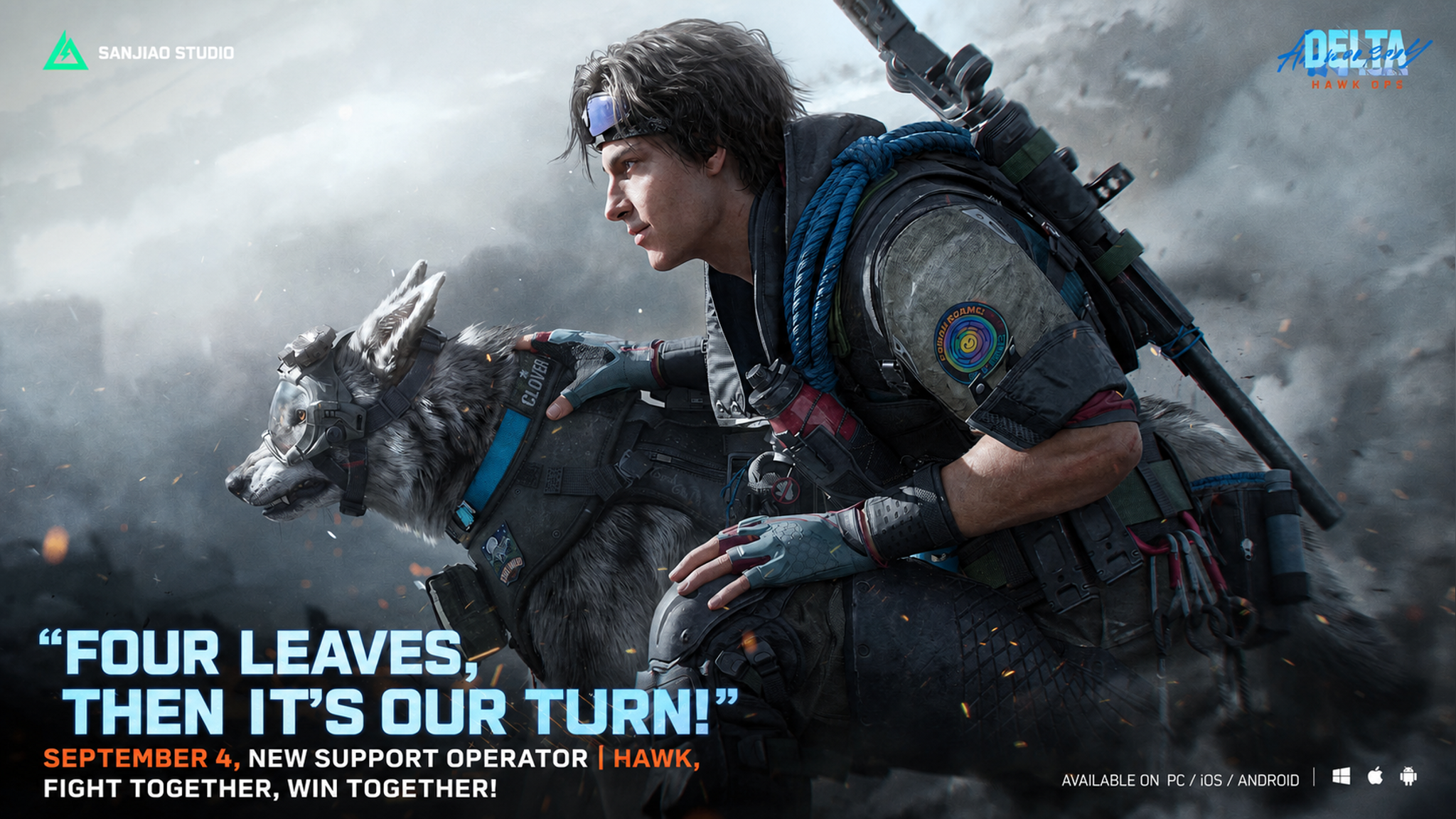
A New Role Instead of a Better Healer
Existing support options already cover a lot of familiar ground: healing, smoke cover, stabilization, and traditional revives. A future Operator does not need to compete by offering bigger healing numbers or stronger versions of the same utility.
A reposition-focused rescuer would occupy a different role.
They would specialize in turning a dangerous downed location into a recoverable one. Their value would be highest when a teammate is stranded in an exposed lane, trapped near an enemy angle, or knocked in a location where a normal revive would likely create a second casualty.
That gives players a reason to choose the Operator based on the situation, not only because their healing output is higher.
The result is a healthier roster: one character protects space, another provides sustain, another gathers information, and another helps the team recover from positional mistakes without making those mistakes free.
The Real Test for Season 11
The concern for every new Operator is not simply whether they will be strong enough.
The bigger concern is whether they will be interesting beyond raw power.
If a new Operator arrives with familiar healing, smoke, tracking, and stat advantages packaged into one kit, the meta may only become more crowded. Players will still solve encounters with the same limited set of answers—just with a stronger version of an existing role.
But if the Operator introduces a new way to handle downed teammates, it could expand the tactical language of Delta Force.
A rescue ability that moves a teammate out of danger would create new plays, new counterplays, and new reasons for teams to coordinate. It would not be about surpassing existing medics at healing. It would be about solving a different problem: how to reclaim a teammate from a position that should be too dangerous to save.
That is the standard a new Operator should aim for.
Not more power for its own sake.
More meaningful choices.
Plan the Recovery, Not Just the Fight
In Delta Force, a team’s success is often decided before the revive starts. Map knowledge, safe routes, cover positions, weapon choices, and utility timing all determine whether a rescue is possible.
Use Delta Force Tools to explore map routes, compare loadouts, and prepare for the moments when your squad needs more than another healing item—it needs a plan.
How to Use This Guide with DFT & BuffBuff
Open Delta Force Tools → Home
Map, Auction Prices & Weapon Builds - Delta Force Tools
Choose the map you want, and search the cades inside.
Top-Up Smartly (Optional).
Delta Force Mobile and PC Version Top Up | Buy Delta Force Coins Up to 54% OFF
When you need attachments/consumables fast, BuffBuff provides official top-ups with timed discounts. Upgrade, test again, and lock your final loadout.